NST Entrepreneurship — Week 4 Lab: the job stays, the market moves
NST Entrepreneurship · Semester 3 · Week 4
Lab — The job stays. The market moves.
NST Entrepreneurship
Week 04 · Lab
The job stays. The market moves.
Core story · The Mystery

Get from A → B.
What is the job?

Prehistory
The first requirement?
Just get me there alive.
Job
A → B
Fear
Death · Injury · Exposure
Value
Survival


The job didn’t change.
The solution did.
Alone
Vulnerability
Group + Tools + Knowledge
Greater protection
When survival is the pain, protection has value.

Centuries later…
The job is still the same.
But the fear changed.
“Protect me and my property.”

Someone will pay to remove risk.
Who?
Merchant / traveller
Pain?
Loss · theft · unsafe journey
Solution?
Protection · escort · safer coordination
Sacrifice?
Money · resources
Pain + sacrifice = a market signal

Then “safe” wasn’t enough.
Same A → B. New expectations.
Why would someone pay 10×
to reach the same place?
Because value ≠ distance.

Industrial · Automobile era
The customer changes the question.
“Will I get there?”
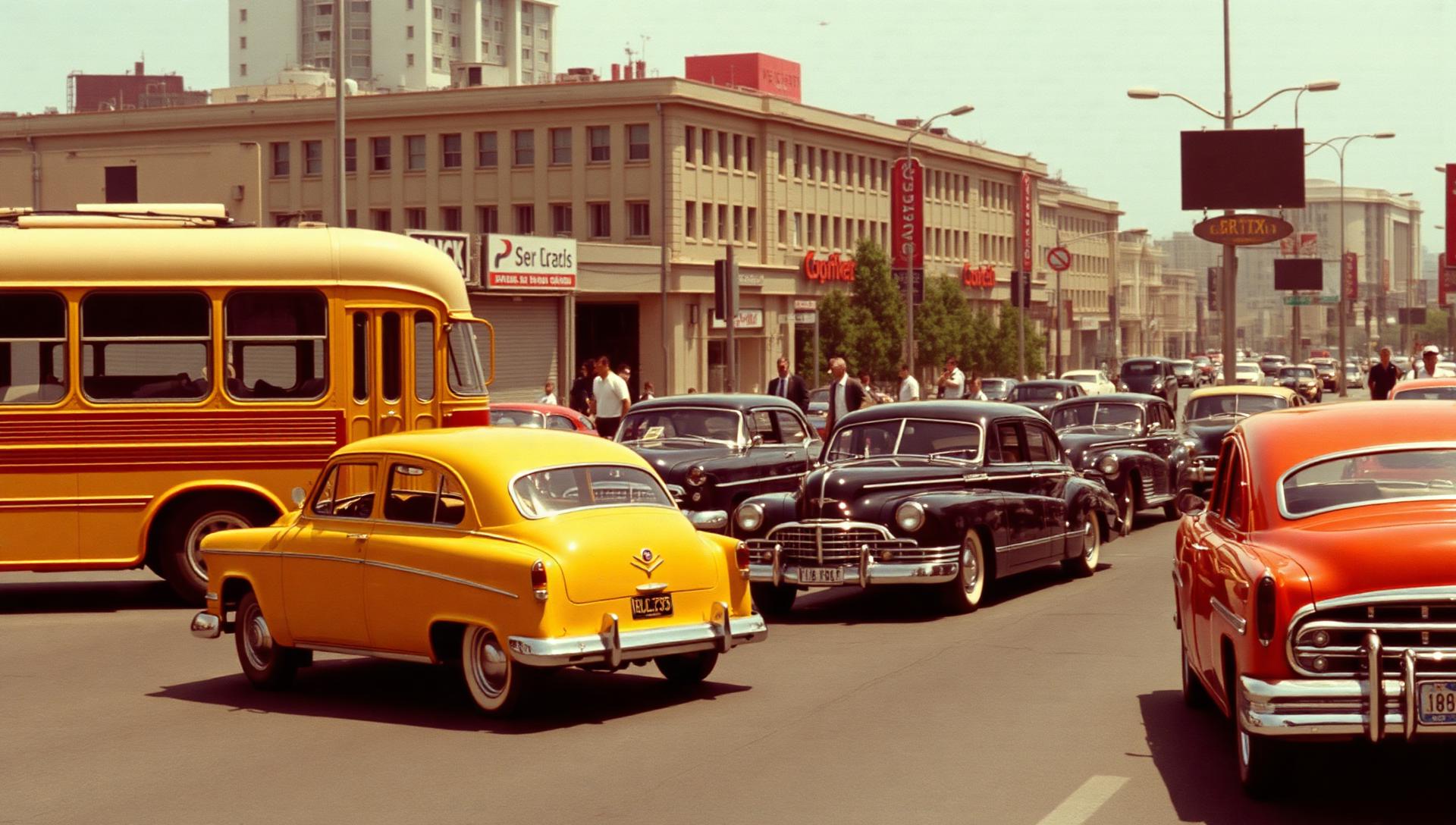
Post-war consumer era
There is no “transport customer.”
Bus
Affordability
Taxi
Access / convenience
Private car
Control / freedom
Chauffeur
Service
Luxury car
Status / comfort
Same job. Different personas. Different value.
If everyone is going A → B, why don’t they all buy the same thing?

Wait. Are we even selling transport anymore?
Function
A → B
Purchased value
Experience · Status · Convenience
The product is not always the job.

By 2005…
A → B was already solved.
So why did ride-hailing need to exist?
The friction moved.

Location
Driver matching
ETA
Routing
Upfront information
Digital payment
Ratings / accountability
Trip record
The car didn’t change.
The transaction did.
A → B became a digital marketplace.

Same city. Same evening. Different market conditions.
Zone A
High demand / low supply
₹₹₹
Zone B
Balanced
₹₹
Zone C
Lower demand
₹
Price + availability can respond to context.
The market is no longer static.
100,000 years on one screen
Prehistory
Survival
Medieval
Security
Industrial
Speed + access
Post-war
Comfort + freedom
Luxury
Status + experience
Platform
Convenience + trust
Algorithmic
Real-time matching
The job barely changed.
The expectation did.
The job stays. The market moves.
When one expectation becomes normal…
The next one becomes visible.
Not every market follows this exact order. The point is that expectations evolve.
Don’t ask:
“Is this problem already solved?”
What does the current solution still fail to do?
What used to hurt?
What got solved?
What hurts now?
What new expectation exists?
Who feels that gap most?
Where are those people?
That is where you investigate.
Yesterday
Today
Next: find the human. Test the gap.
You are not looking for “a startup idea.”
You are looking for an unmet expectation with evidence behind it.
What is your A → B?
Take one friction you found yesterday.
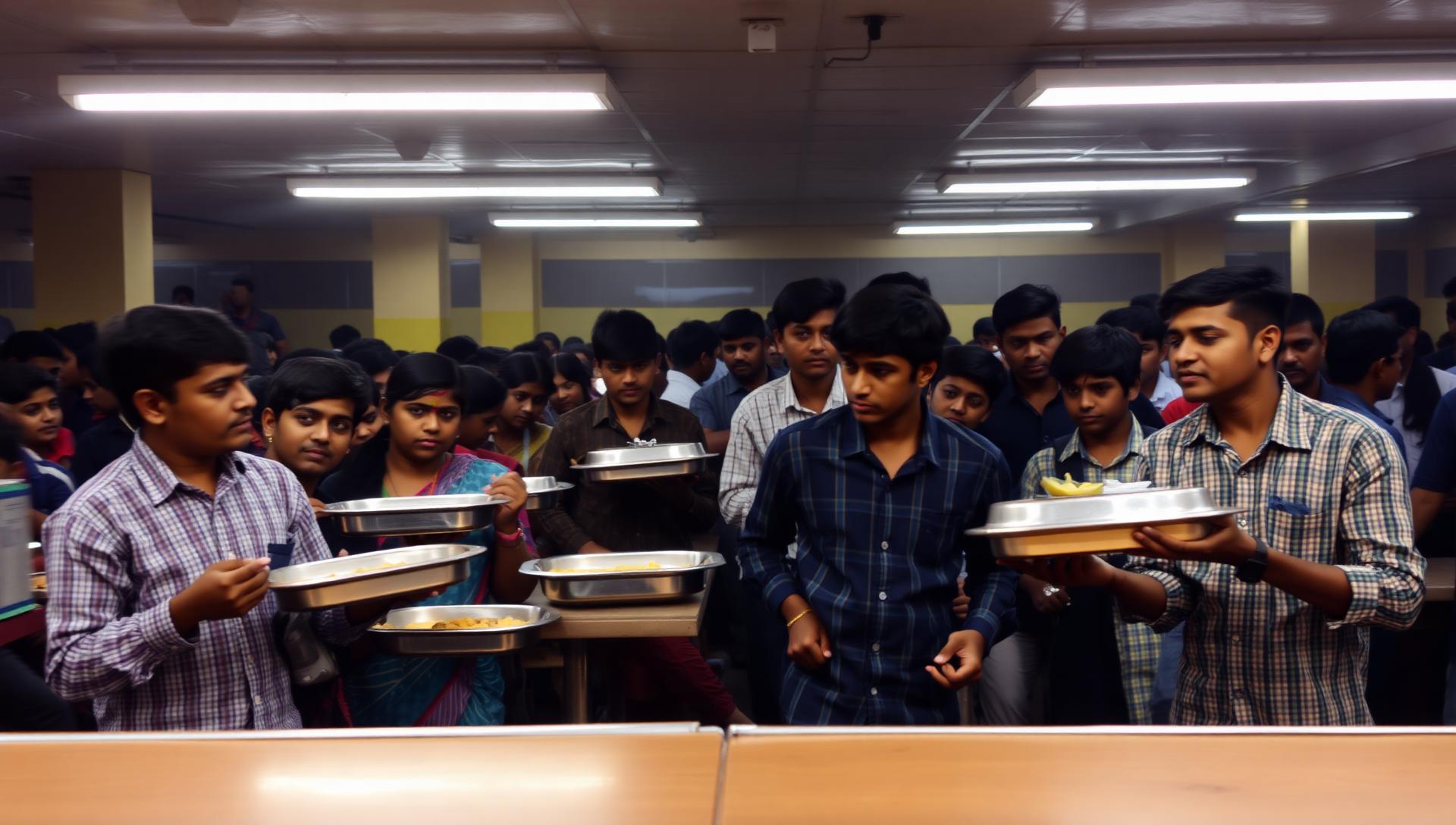
Example · Mess / canteen
Central job: Feed me.
What does the 2026 student expect that the current system still doesn’t deliver?
Who feels that gap most?

Don’t ask:
“Who wants a colouring book?”
What job is it being hired for?
User ≠ Buyer ≠ Influencer ≠ Distributor
User
Child
Buyer
Parent
Influencer
Child / teacher / parent
Distribution
School · bookstore · activity centre · online marketplace
Which job has the strongest pain?
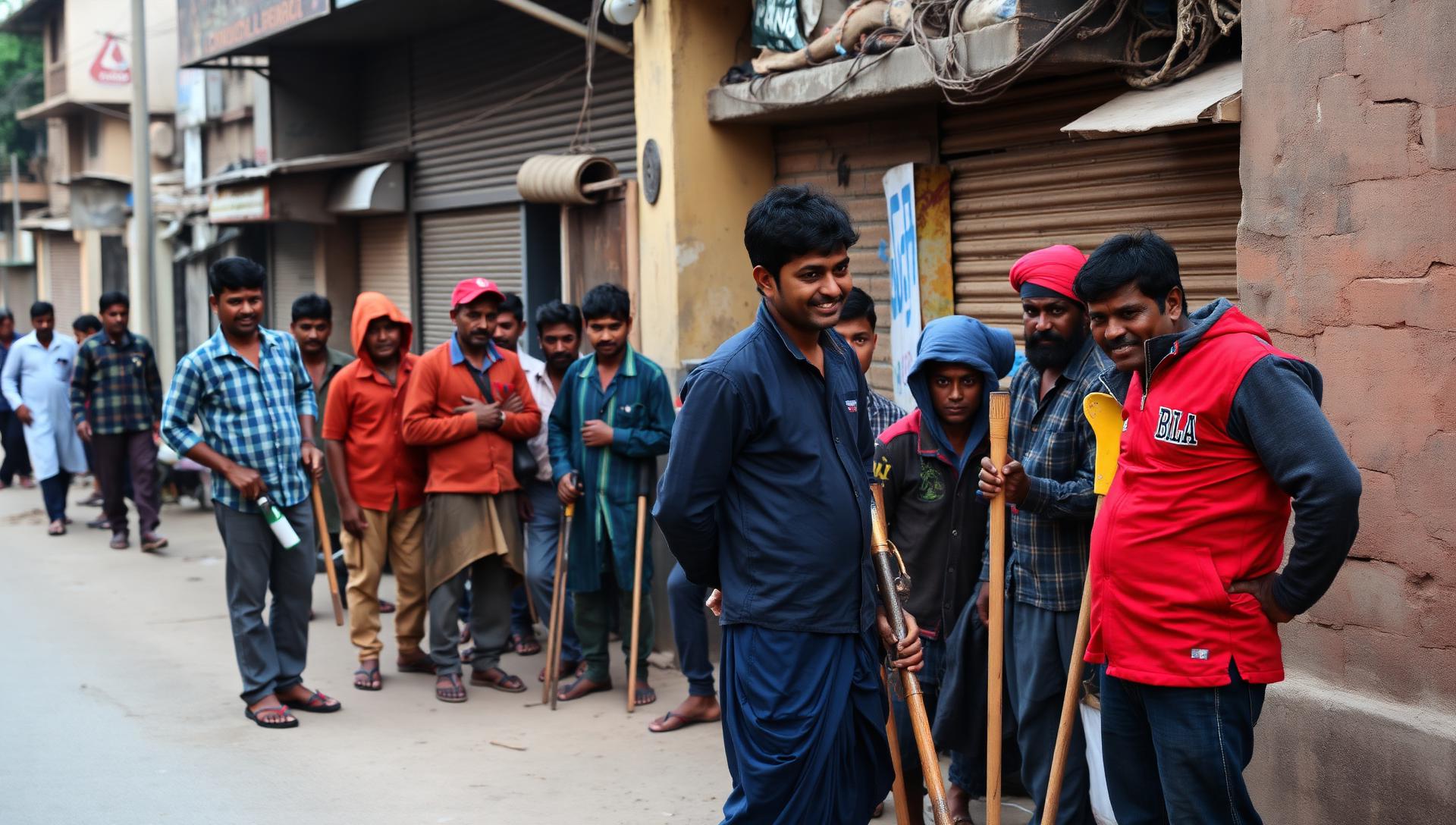
Don’t assume which side has the pain.
Worker
Hiring / matching
⇄
Employer
Interview both sides.
What part of hiring is still broken today?

“Gamers” is not a persona.
Where does the tribe already exist?
Digital ethnography
Don’t invent the pain.
Find where people already talk about it.
Worksheet
The market time machine
Past
What hurt before?
Solved
What fixed it?
Today
What still hurts?
Emerging
What new expectation is appearing?
Who cares most?
Who experiences this intensely?
Persona → where they exist → talk to them
Canvas
The first customer map
Don’t create a fake persona.
Derive the persona from behaviour + evidence.
Entry doors
The human is the centre.
How do I enter the market?
Observe
Watch behaviour happen.
Intercept
Talk immediately after behaviour.
Interview
Understand the story.
Digital ethnography
Observe communities, reviews, forums.
Operator / expert
Talk to someone who repeatedly sees the problem.
Competitor / substitute
Study what people currently use.
Prototype / waitlist
Ask for action.
Sell / pre-sell / pilot
Ask for commitment when appropriate.
Different problems require different doors.
You found the friction.
Now find the market.

The destination didn’t change.
The expectation did.
Every solution creates the next expectation.
Find what the current market still fails to deliver.
Find the people who care enough to do something about it.
Notice → Understand → Find → Test → Learn